Self Assessment
Explore our self-assessment tax blogs for directors, landlords, and sole traders. Learn about deadlines, tax planning, strategies and common HMRC pitfalls.

From 2025/26 onwards, directors of close companies need to disclose much more information about their shareholdings and dividends.
.webp)
How do individuals with complex income and tax positions know what is ethical and legal, and what is not?


Salary, dividends, expenses? When your business is making a profit, how can you withdraw money?
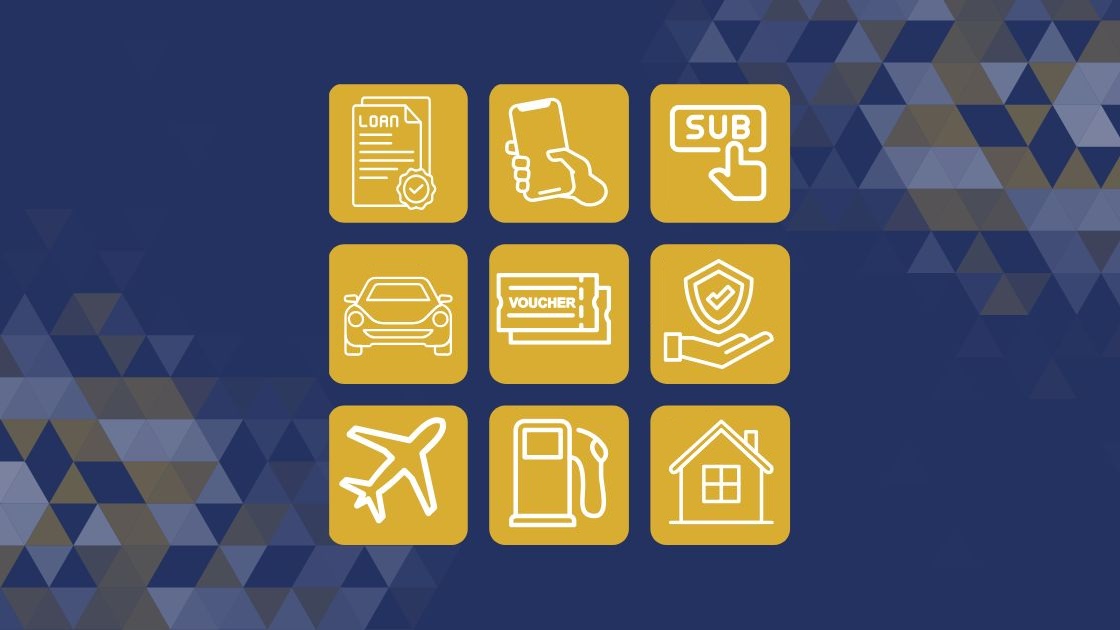
This blog lists all the information that could be included in a P11D, including taxable benefits, expenses, other perks and exempt items.
.jpeg)
We encourage all self-assessment taxpayers to review this checklist to make sure they get their taxes right.

Our blog helps you prepare for Making Tax Digital by explaining who it affects, the key deadlines, and software requirements.


It's important to align your salary strategy with your broader financial goals. Learn how to optimise your finances here!

Earning over £100,000 is all well and good, but it also triggers specific tax implications that can significantly impact your income.
Filing a self-assessment tax return is more than an annual compliance tick-box exercise – it’s a critical opportunity to review your overall personal tax architecture. For directors, sole traders, and high earners, reactive filing often results in missed allowances, unwelcome tax bills, and avoidable HMRC penalties.
Our self-assessment blogs deliver clear, practical insights to help you take control of your personal finances. We share tips on balancing salary against dividends when extracting cash from a limited company and on understanding P11D benefits and expenses. Read more to learn how to plan ahead of the deadline, not just react to it!





Unit 13E
92 Burton Road
Neepsend
Sheffield
S3 8BX
United Kingdom



.webp)
.png)


.svg)