

.png)
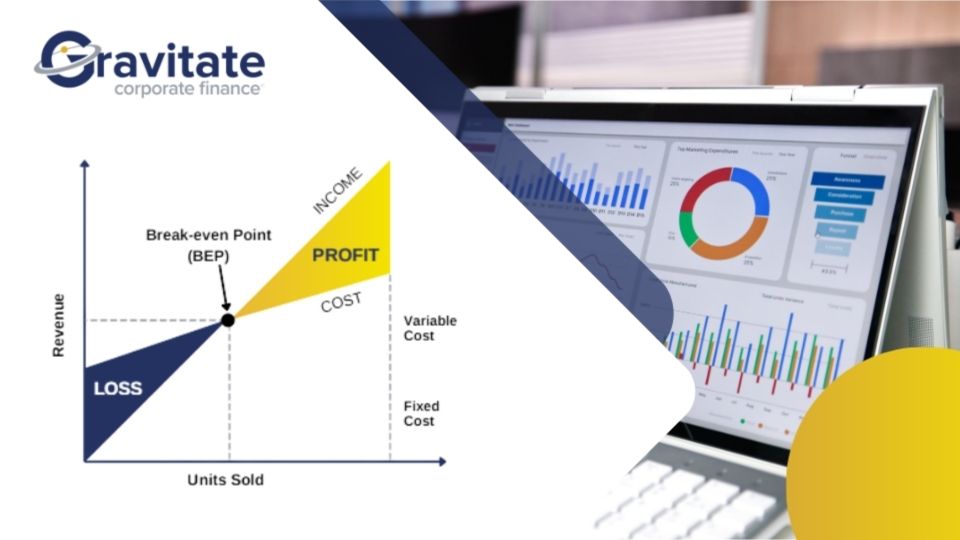
When a business sets out to raise capital (whether through a growth equity round, a debt facility, or a hybrid funding structure), the financial forecast becomes one of the single most scrutinised documents in the deal.
Lenders, investors and other funders rely on it to test the strength of the business, its management, and whether the growth story being told is realistic.
Forecasts are essential for modern lenders and investors, but they regularly fall short of expectations. A deal-worthy forecast is not just another financial report that any accountant can create in Excel.
It requires discipline and specialist knowledge to deliver on what it promises. Some of the most common issues associated with inadequate forecasts are listed in the table below.
Individually, each of these issues creates friction. But collectively, they undermine confidence in the deal. A poor forecast means:
- More scrutiny from credit and investment teams
- Multiple rounds of clarification and re-issued models
- Delays that push the deal beyond its original timeline
- Reduced appetite, lower valuations, worsened terms
- In the worst cases, withdrawal of the offer altogether
Forecasts that fall short are not typically due to a lack of effort, but to a mismatch between how forecasts are prepared and how they are assessed in a funding context.
So what does a good forecast look like?
A high-quality forecast and financial model provide a clear, structured, and decision-ready view of a company's future performance and the risks attached to it. In the context of a funding round, the model is doing two jobs at once:
- it is presenting the investment case, and
- providing the data for lenders and investors will use to size, structure, and price their capital.
A good forecast doesn’t just present the numbers. It also explains where the numbers come from and how they respond to change.
Below are the main characteristics now expected of an effective fundraising forecast.
A good forecast goes beyond the numbers
A strong forecast is about clarity over complexity. Investors and lenders are more interested in understanding the business than looking at intricate spreadsheets. They want to test assumptions and form a view on whether their capital is likely to be returned.
Whatever the output says, it must be easy to follow so that assumptions can be scrutinised and adjusted without friction. The forecasts that help close deals are the ones that make the funder’s job easier, not harder.
Raising capital? Let’s make sure your forecast is up to the task
Gravitate Corporate Finance builds funding-ready forecasts and financial models that stand up to scrutiny and help you move through the process with fewer delays and less friction. We’ll make sure your forecast tells the right story to the right audience, backed by assumptions that hold up when challenged.
This could be a forecast built from scratch or stress testing an existing model ahead of a fundraising round. Either way, we can help.
Get in touch with us today to discuss your funding plans and find out how a deal-worthy forecast can strengthen your position!
- Download our free Business Forecasting Guide here










.webp)
.png)


.svg)
