




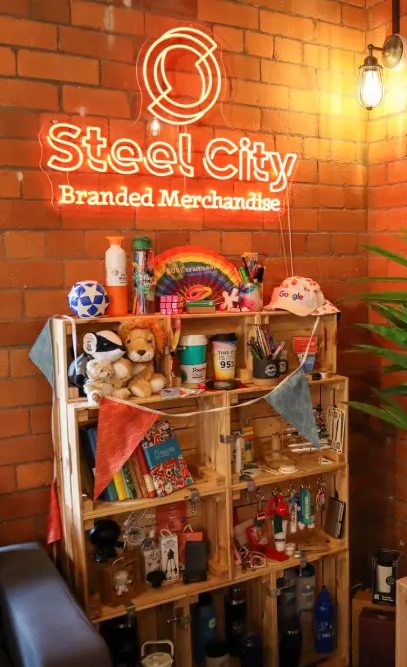





I left University in the late 90s but didn’t go into the family business. I wanted to get some experience in a different industry, somewhere I didn’t feel as though I was coming into the family business as a gift, or that I hadn’t gone away and earned the right.
So I went into a totally different sector: Ferro-Alloy trading. It was really interesting, but also a really hard industry to work in. The customers were tough, the leadership was hard, and I learned a lot about how businesses shouldn’t be run.
It shaped me considerably, and I decided early on, “That’s not going to be me!”
I joined Steel City in 2001. My dad’s business partner had Parkinson’s and was sadly declining quite quickly. There was a gap to fill, and I felt ready.
For several years, it felt like everything my dad had done was the right way to do it. I didn’t challenge anything, didn’t change anything. We just cruised along as a nicely run family business.
My dad retired when he said he would in 2008, and the recession started that year. That was my first real shock to the system.
The Great Recession was a fairly tough time to navigate. No one saw it coming; very few of us knew what to do. We just about got through.
I basically turned the business around during 2011 and 2012. If I hadn’t, I am certain it would have been catastrophic, and we wouldn’t have made it. The business changed completely.
We went from around 12 staff, with three of us selling, to a smaller, leaner team structure of five (four of us driving revenue and sales). That was a monumental change in how efficient we were and how profitable we became, almost overnight.
One of the biggest shocks I faced was when a colleague in accounts passed away. It is worth mentioning because it could relate to many people.
When your bookkeeper and credit controller have numerous key aspects of the day-to-day functioning of the business under their control (all the passwords, payroll, bill payments, banking), and then they pass away, you can grind to a halt.
Our software provider helped backfill and got us through until we recruited. It wasn’t slick, and it didn’t go especially well, but it got us through.
That experience made me think very clearly: I don’t want anything like that ever again. It also made succession planning and de-risking key roles much more important to me.
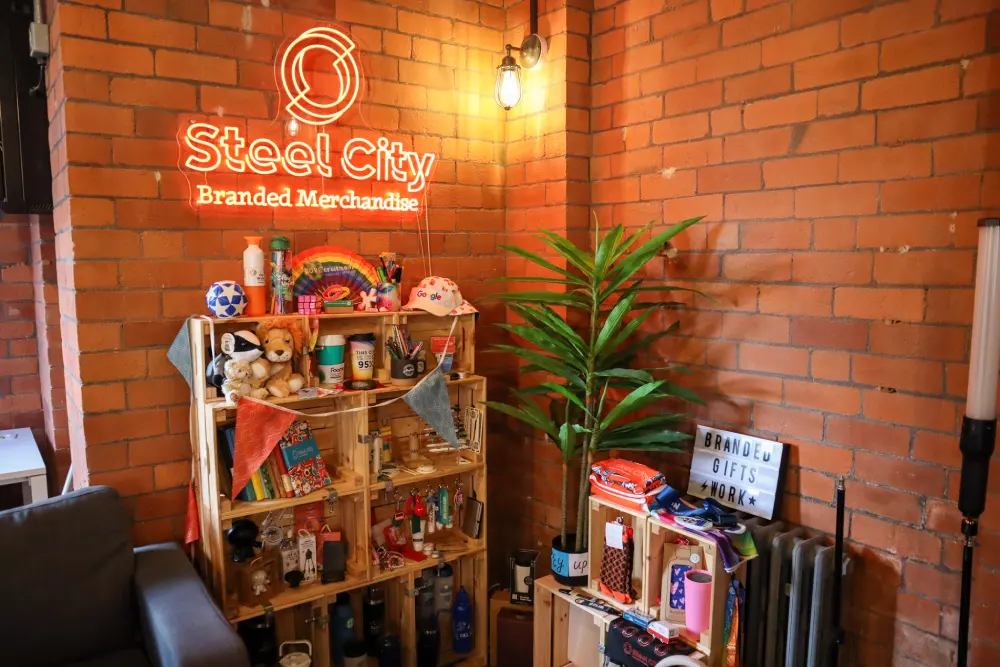
Before COVID, I completed the Goldman Sachs 10K Small Business Programme and graduated with a plan to drive significant growth.
But to hit those kinds of growth targets, we would have needed a lot more people in the building. And I think I’ve realised over the last few years that I don’t want the chaos that comes with that kind of growth.
Everything feels very calm and composed now. We’re very steady. The business is strong, stable, and safe.
One of the things I’m proudest of is that we’ve had this team for four and a half years with no change. I think that retention, and the trust we’ve got in each other, is irreplaceable.
They trust me, I trust them, and that stability matters.
The biggest things for me are the monthly rewards and the weekly little treats.
We’ve got revenue-driven rewards in place, both team-based and individual. But the interesting bit is that what might look small from the outside is actually really valuable to the team.
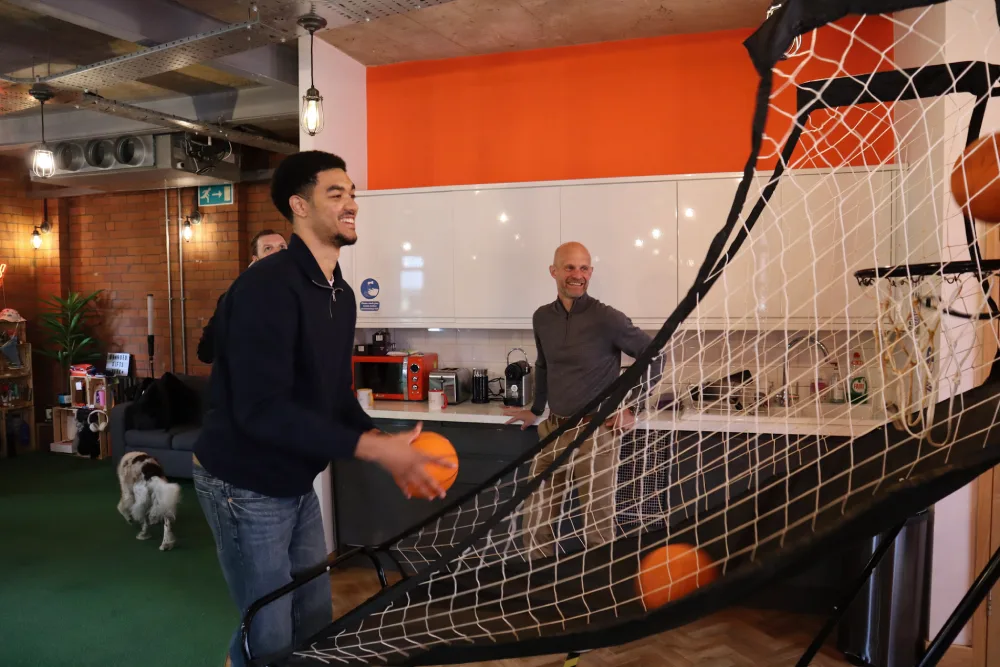
I haven’t gone out and tried to manufacture culture. When you listen to culture talks, you hear people talking about fruit bowls and other ideas, but I don’t believe you can copy what someone else has done.
I think culture has to evolve naturally over time. If you try to force it too quickly, that’s when you get bumps in the road.
For me, it’s been about adding layers of reward, trying things, seeing how they land, and building from there. We’ve talked about these things over the years, rather than just me deciding them on my own.
Someone external once told me I’d created a “psychologically safe” place to work, and that was years ago. I’d like to think we’re even better than that now.
A lot of that comes down to removing stress where you can. I bought the building as much for the car park as for the space. I wanted people not to start the day stressed about where they were parking. I wanted them to come into an open-plan space, not little separate pockets. That is one example of the decisions I made in finding our “home”.
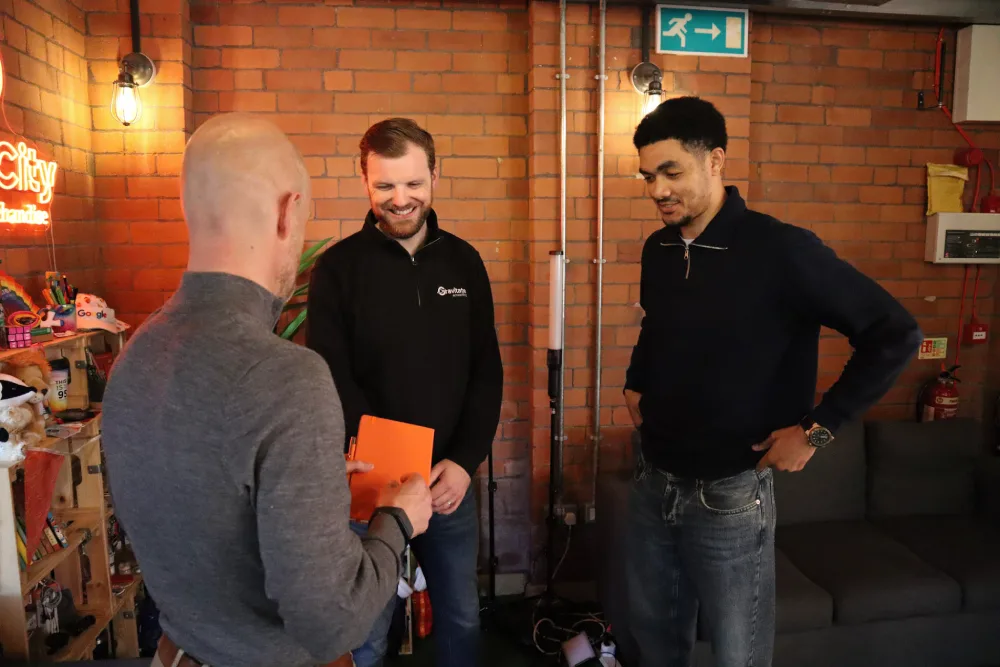
We don’t have meetings, and sometimes I think, “Why am I the only person I know in business who doesn’t have meetings?” I honestly can’t remember the last time we had one.
But I also think if people come into a meeting room and don’t feel comfortable, why do it? It’s not going to get anywhere.
A recent example was when we were doing some tax planning work, and I wanted to ask the team what training they might want. I could have brought them into a meeting and asked, but I knew they’d clam up.
So instead, I just posted a message on Teams and asked if anyone wanted to upskill. Within ten minutes, we’d got the answer. If we’d had that in a meeting, I think people would have said things they didn’t really mean just because they felt they had to contribute.
I’m really interested in whether I can help the business by becoming a bit more savvy on AI. I’m very much at the start of that journey, but I’ve had a couple of small wins where I’ve got Claude to do things for me that would normally take me a considerable amount of time.
That gave me a real buzz because I could see it could genuinely boost productivity. I’m not saying we need to change the whole business or make it less people-focused, but if it can help the team with certain tasks, then that’s worth exploring.

I play a very safe bat, probably to a fault sometimes, but it keeps us protected. I’m not really interested in recruiting more people unless it’s to support any area of the business that is stretched or at a tipping point, but that can be successfully done with, say, an apprentice. That’s worked for us before and works by spending as much time as you need to get the right person.
I do want to think about how I can ultimately exit, but more than anything, I want to protect the company. I don’t want it to be a savage ending.
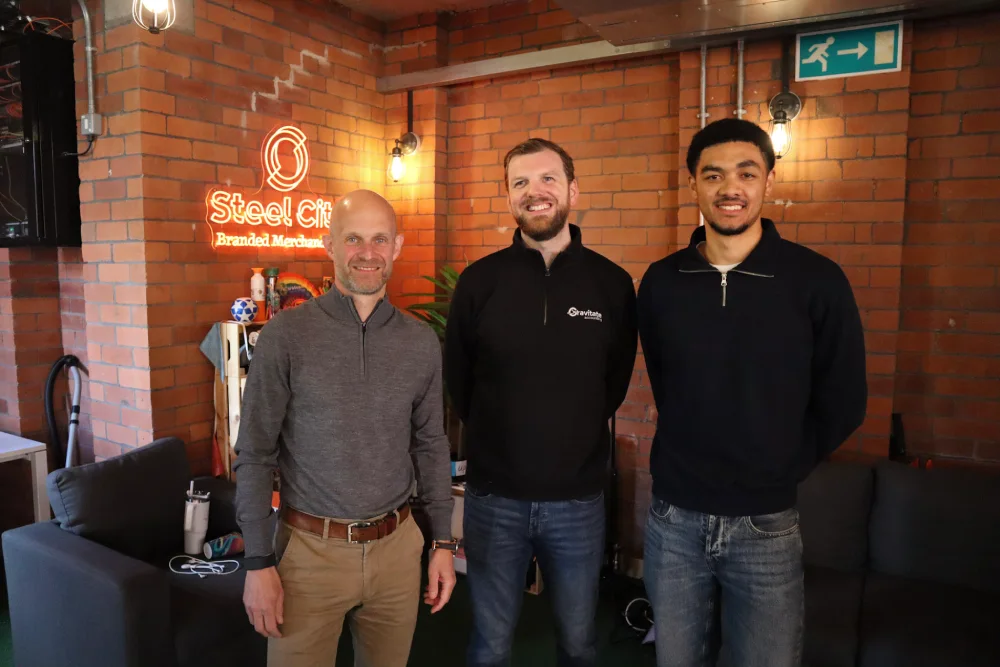
I’ve been working with Gravitate for a few years now. I’ve had that experience over the years of working with accountants who either haven’t understood the business well enough or have had issues keeping up with the way we work and supporting us as I needed.
I know this is my strongest area, and it never will be. I’m much more comfortable keeping on top of the team and the way we work with our clients.
But despite trying for several years to better understand accounts and finances, I know I need to buy-in that skill set.
As soon as I started chatting with Gravitate, it was a no-brainer. That FD-level support is exactly what I need. I know that if the numbers are worked out properly and reviewed thoroughly, then we’re in a good place.
From there, it’s about having that additional support, where I’ve got someone I can bounce ideas off or run problems by.
That support is there, whether it’s quarterly or annual. It’s absolutely the right fit for me in terms of the structure you’ve got, and the way Gravitate support clients.
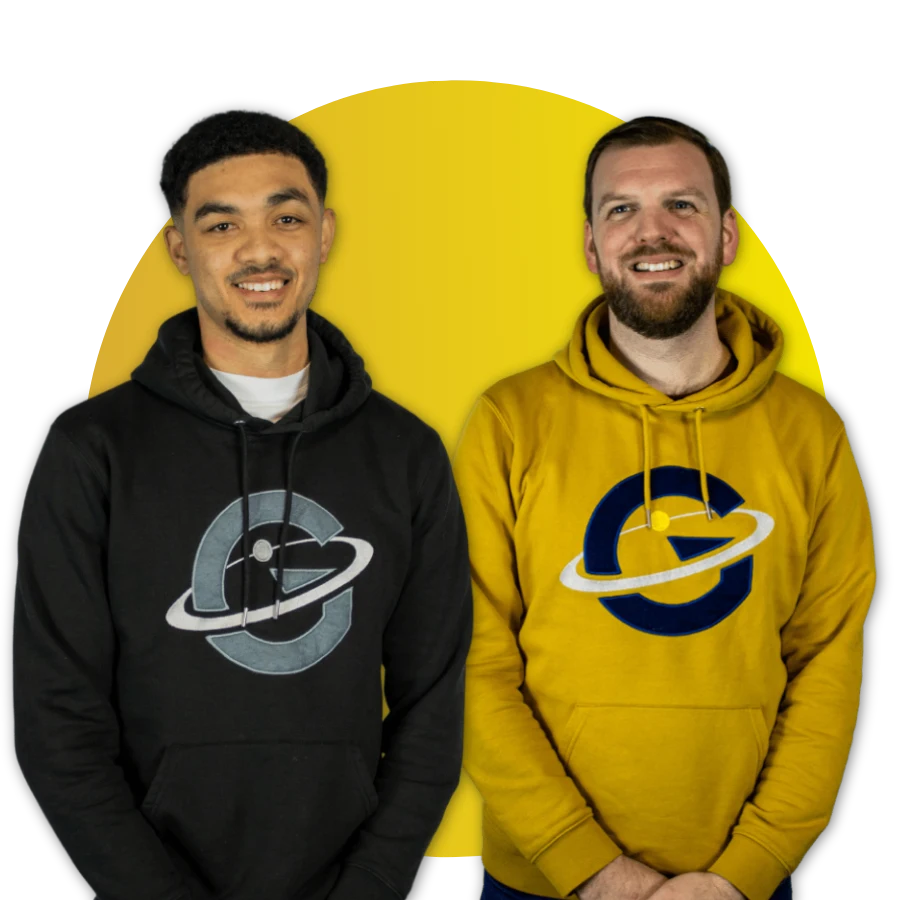
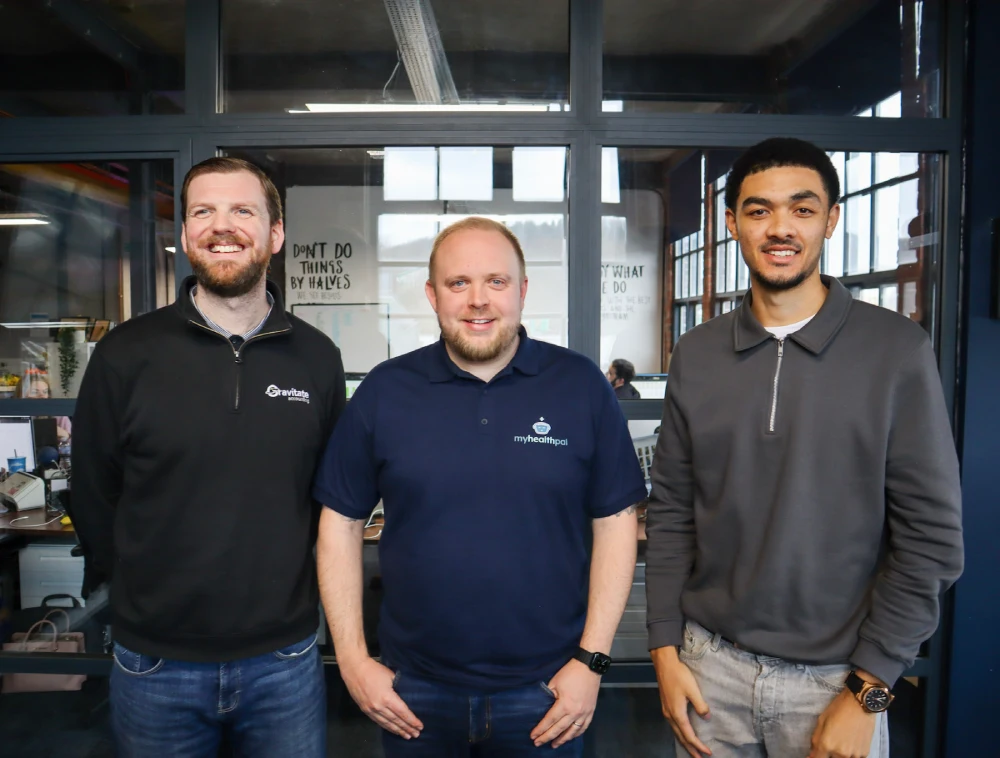
We love working with James and and the Steel City Marketing team. Tom South, Leo Gabriel and the wider Gravitate team work in close partnership with clients to help them know their numbers and boost financial resilience.
.png)
We proactively manage your Corporation Tax compliance while identifying all eligible reliefs and allowances to minimise your liabilities while ensuring absolute accuracy.

We transform your year-end data into clear Annual Accounts that provide a precise snapshot of your financial health while meeting all statutory filing requirements.

We work with businesses to structure their finances in the most efficient way, helping minimise tax liabilities, maintain compliance, and reinvest more effectively in growth.
.png)
We deliver a clear, real-time view of your company's financial health, so you can stop looking at backward-facing data and make informed decisions.
Gravitate Client Stories are shared with our clients' permission. Our clients describe their businesses and what they offer in their own words, and those views remain their own. We don't independently verify statements about their products and services. We act as their accountants and advisers, so we speak only for our own work rather than for what our clients provide.




Unit 13E
92 Burton Road
Neepsend
Sheffield
S3 8BX
United Kingdom


.webp)
.png)


.webp)


.svg)