

.png)
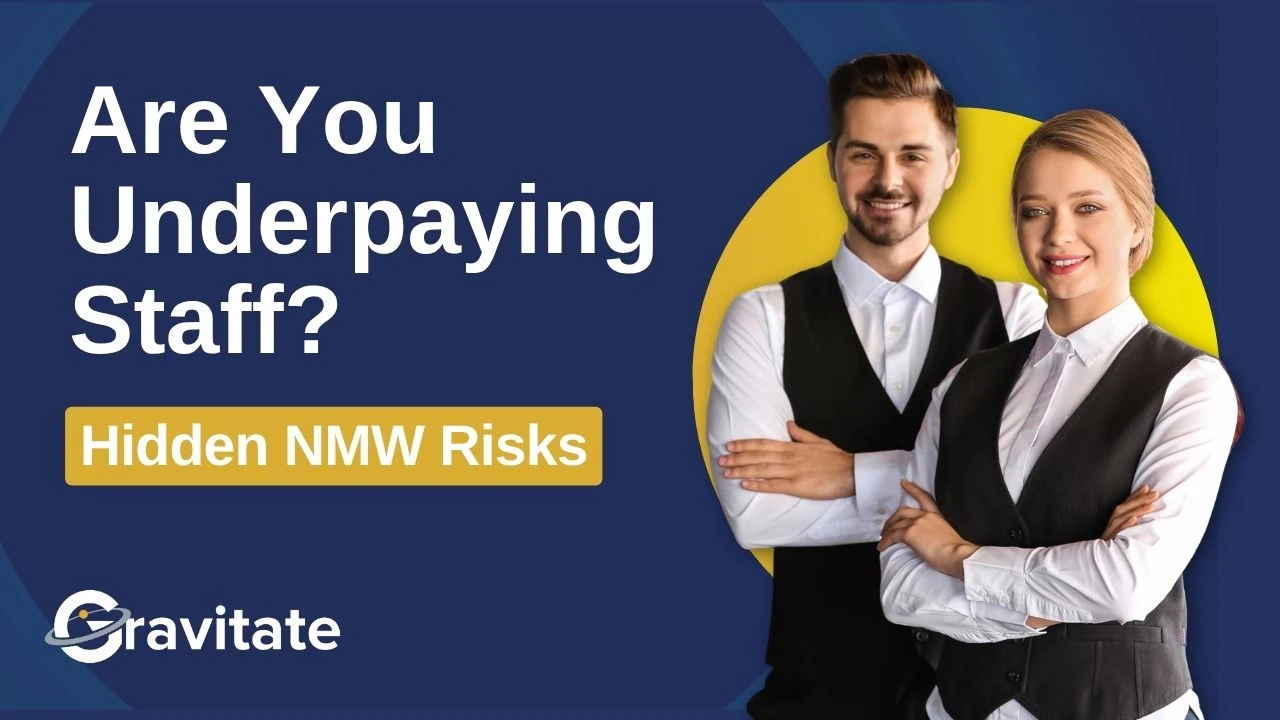
As an employer, it’s easy to assume that compliance with the National Minimum Wage (NMW) is as simple as setting the appropriate salary. But there are a few hidden risks that could cause companies to fall short without realising until it’s too late!
One of the most common problem areas is deductions from wages and how they affect overall pay.
Some of the most well-known companies operating in the UK have gotten into trouble in this area, including Greggs, Estee Lauder and EasyJet.
So even the biggest organisations around can get this wrong. In this blog, I’ll help you ensure yours does not!
When are deductions allowed?
Most of the time, deductions can be written into the employee’s contract if they relate to either:
- Overpayment of wages
- Overtaken holiday entitlement
However, there are several other types of deductions which may also apply.
- Wage advances
- Loans
- Purchases
- Uniforms
- Equipment
With these deductions, the employee must explicitly agree (usually in writing) before they can be applied.
You can read the Government’s full legislation on uniforms and deductions here.
How deductions can inadvertently breach NMW rules
An employee may agree explicitly with the pay deduction, but it is critical that no deduction brings an employee’s pay below the National Minimum Wage.
This is quite easily done and is where many businesses breach the rules without realising.
Beyond payroll deductions
It’s not just payroll deductions that can cause noncompliance issues with NMW. If an employee must pay for something that is required for them to do their job, then the cost is treated as reducing their pay.
Two of the most common examples are staff uniforms or equipment/tools.
Here’s where the trap can become easy to miss:
The cost is treated as reducing their pay even if the employee pays for it themselves or the money isn’t directly deducted from wages.
What about optional purchases?
If the purchase is completely optional and not explicitly required for the employee to do their job, such as branded work merchandise that isn’t strictly “uniform”, then it does not affect National Minimum Wage calculations.
Example Scenario of NMW Breach
- An employee is paid at or just above the National Minimum Wage and they are required to buy a uniform costing £50.00.
- That £50.00 effectively reduces the employee’s pay, regardless of who makes the payment.
- If this effective reduction moves their pay below the NMW threshold, then the employer is in breach of the rules.
- This can happen even if everything else seems compliant.
Potential consequences of breaches
If HMRC were to audit a company, or the company is found underpaying through another means, they can be made to check back, correct and reimburse employees up to 6 years.
How can you prevent underpaying staff?
For teams where a high portion of staff are at or just above the National Minimum Wage, there are a few practical ways to prevent this issue from happening.
Even small deductions can have a big impact on NMW compliance. At scale, this can create enormous risk. It’s always worth reviewing your policies and practices regularly to ensure you’re never unintentionally underpaying staff.








.webp)
.png)


.svg)
