

.png)
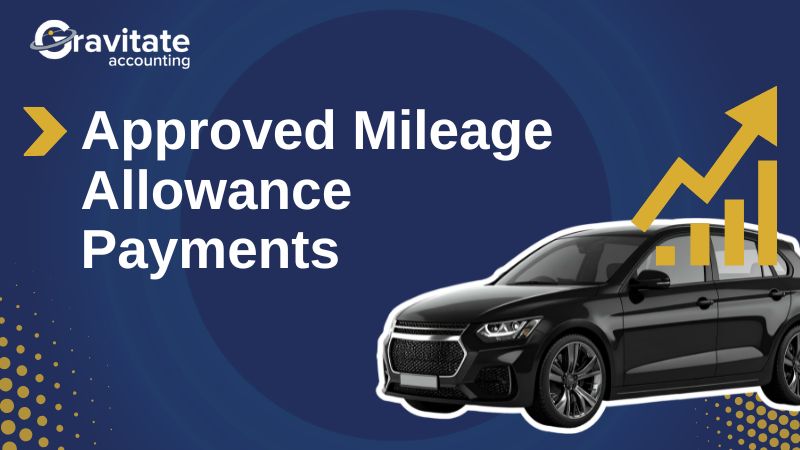
For the first time in around 15 years, HMRC is increasing the approved mileage rate for cars and vans.
From 6 April 2026, the rate for the first 10,000 business miles rises from 45p to 55p per mile, which is a significant update for anyone who claims business mileage using their own vehicle.
While it all sounds good and straightforward, there are a few things worth understanding before the new tax year arrives.
How is the approved mileage allowance changing?
The Approved Mileage Allowance Payment (AMAP) rates are what HMRC allows you to pay (or claim) tax-free when a personal vehicle is used for business travel. Crucially, these rates apply to petrol, diesel, hybrid, and fully electric vehicles alike.
The updated rates from April 2026 are:
- Cars and vans: 55p per mile for the first 10,000 business miles, 25p per mile thereafter
- Motorcycles: 24p per mile
- Bicycles: 20p per mile
The rate above 10,000 miles for cars and vans stays the same, as do the motorcycle and bicycle rates. The headline change is that 10p increase on the main car and van rate… the first movement in around 15 years!
Actions business owners should take
Sole traders or owner-managers
If you're a sole trader or owner-manager who claims mileage through your business, you'll be able to claim more per mile from 6 April 2026. This is definitely useful! For someone doing 10,000 business miles in the year, that's an extra £1,000 in allowable claims.
Employers
If you employ people and reimburse them for using their own vehicles for business travel, you can now pay up to 55p per mile without triggering a tax or National Insurance Contribution (NIC) liability. You're not obliged to increase your payments, but if you've been reimbursing at the old 45p rate, now is a good time to review your policy.
What about company cars?
There is one thing you must be clear on: This doesn’t apply to company cars. Where a company-owned or leased vehicle is used, HMRC's separate Advisory Fuel Rates (AFRs) and Advisory Electric Rates (AERs) continue to apply. The AMAP changes are specifically for employees and business owners who use their personal vehicles.
Review your expenses policy before April 2026
- If you reimburse employees at a flat rate, make sure you update it.
- If you use accounting software or a mileage tracking app, be sure to check whether the rates will update automatically or need to be changed manually.
- If you submit a Self-Assessment Tax Return, make sure you're applying the new rate to journeys from 6 April 2026 onwards.
This is one of those changes that's easy to miss but just as easy to act on if you're prepared!
If you'd like to discuss how these changes affect you and your business specifically, get in touch with the team at Gravitate Accounting, and we’ll happily review your current set-up and expenses policy.
.jpg)


.jpg)

%2010.jpg)










.webp)
.png)


.svg)
