


.webp)



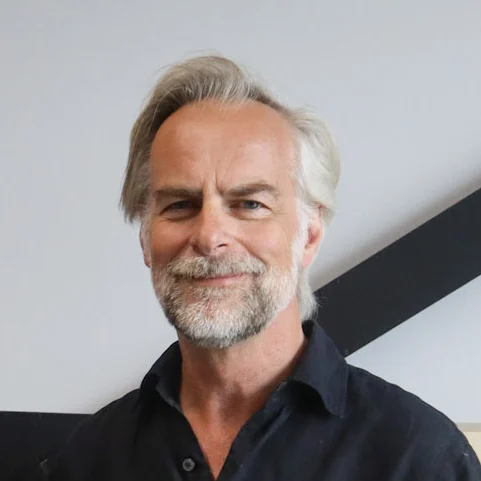
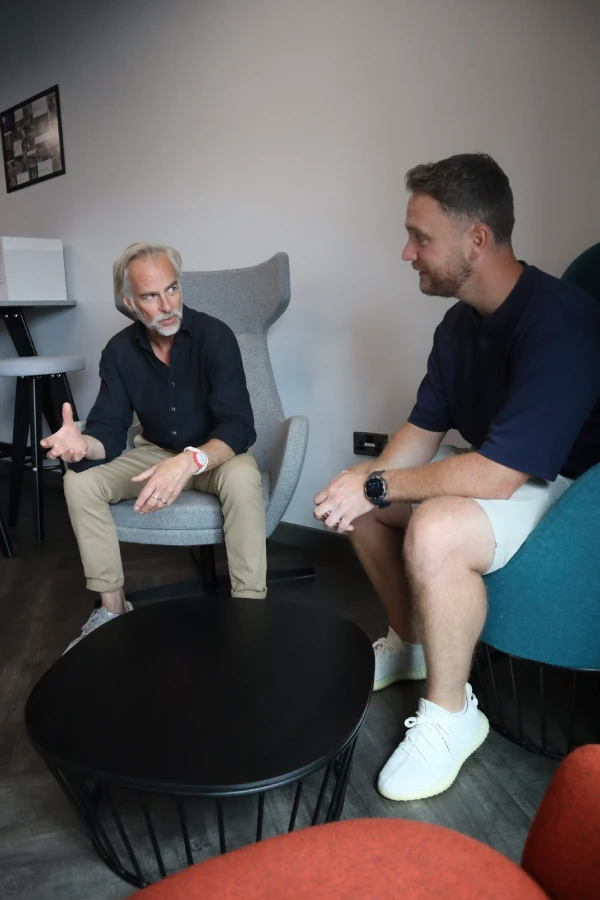
They say life begins at 40. Certainly, that’s when my life took a different path. I was working for a large architecture practice in Manchester and was completely frustrated. We were working on big projects, such as exhibition stands for London’s Millennium Dome, and doing a lot of work for schools in Cambridge. All that travelling, and rarely handling the projects from start to completion, led me to feel I wanted more.
Then my marriage ended. I was suddenly single, and reeling from that, but when my 40th birthday hit, I decided to take positive action and set up my own practice. My first office was the spare bedroom in a terraced house I'd bought in Crookes, Sheffield.
I had built up clients in the schools sector, which led to work in other arenas, such as doctors' surgeries. On the back of that I was able to put a fair bit of money into the business, all as a sole trader. I moved into rented premises - in a Victorian warehouse I’d helped a property developer convert to office spaces. Oh, and I got a new wife!
When it was time to grow the business, I started looking around for someone to bring in. But a better opportunity presented itself.
A contact at Mark Jenkinson's, the auctioneers in Sheffield, mentioned the owner of a Chesterfield practice was looking to sell. He had some interesting clients and ongoing work in the heritage and residential sectors and I knew I should go for it. I took possession of the Koyander practice in December 2014, thanks to a loan from my ever-supportive new mother-in-law.
I'd imagined the business would move to Sheffield but that wasn't feasible. And I liked being in Chesterfield. It's a vibrant small market town, with a lot going for it. We changed the name to Haxton Koyander and started building the business from there.
.webp)
I re-engaged with Koyander’s old clients, one of them being the Chatsworth Settlement Trustees and landed several projects with them. One was for the Cavendish Hotel in Baslow, a beautiful 17th century coaching inn. We came up with the idea of turning a dilapidated coach house in the grounds into accommodation and gave the hotel not only a new income stream, but also its first accessible bedrooms.
The design was simple and subtle. We made the bedrooms multi functional, giving all levels of accessibility with the same degree of quiet style and luxury which is evident everywhere at the Cavendish. It worked well, and they became very successful.
We were invited back to create the hotel’s new garden room, a beautiful space opening out onto a new terrace we created, with views of Chatsworth estate. It not only gave the hotel more space for customers taking breakfast, brunch and lunch, but also the first fully accessible route into the hotel for people with mobility issues.
We were also part of the redevelopment of the commercial kitchen, working closely with the head chef on a design that gave him a much faster turnaround of food, higher staff levels, and better access to the new restaurant.
Working for the Chatsworth Settlement Trustees was one of our major triumphs and they were extremely happy. We've also done a number of farm conversions for the Trustees, too, turning redundant buildings into holiday lets; giving them a new life.
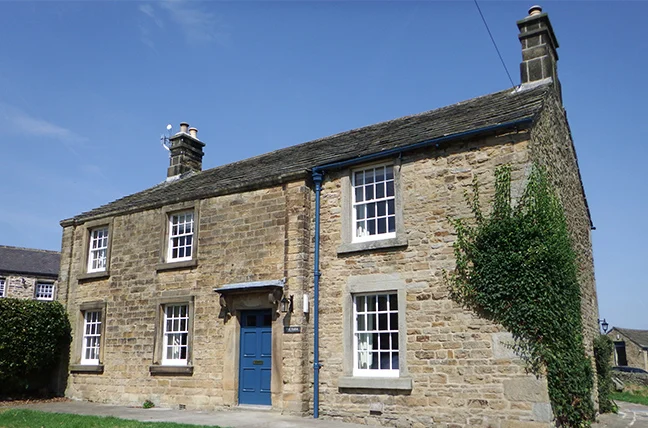
Our work on the hotel’s coach house won us an award with the Derbyshire Historic Buildings Trust - and that brought about an introduction to a new client - the Strutt Cousins Trust, descendants of the Strutt family, who owned several farms around Belper.
We are now in our fifth year of working for the Trust on a potential regeneration project.
We also love creating bespoke, unique homes from scratch. A project of this kind really fires our imagination - and our passion for researching the latest materials and methods such as renewable energy, heat and water conservation.
We completed one such project recently in Derbyshire. A couple had bought a redundant farm in a beautiful location and wanted to demolish it and build their dream forever home on the site. It was contrary to what we'd normally push for - the retention and reuse of an old building - but a restoration would have cost them a lot more than building new.
Planners wanted the road-facing side to be traditional in style, but on the rear we were able to use large amounts of glass, bringing lots of light into the building and maximising the fabulous views. We worked with their desire for big entertaining spaces coupled with intimate living spaces.
There's a gym, too, balconies and a stunning walk-in wardrobe. The couple also bought the field next door so they could put in a ground -source heat pump, meaning the house has no need of a gas supply. We used a technique called SIP panel construction - structural insulated panels on a steel frame and clad in stone. The house is as stunning as it is super-efficient - and the client is extremely happy with it.
.webp)
I love meeting clients and reaching that point where you click and they understand you are on the same page - and the chase for new projects. But I also love the fact that I see every project through from start to finish. Working from that first conversation through to the successful completion of the task a client entrusted me with, and seeing their happiness with the end result, is so very rewarding.
I also really enjoy solving problems; finding workarounds. Like when you're halfway through a build and the client changes their mind about something, or the builder hits a problem, and you very swiftly have to find a solution. More often than not, it ends up being a better solution than you'd originally planned.
I started my career using a drawing board - sketching everything out by hand and using lots of tracing paper. Now that work is done via AutoCAD, and we're moving into the realms of AI. We have tools now that enable us to explore changes from something we have photographed - a more sophisticated, architectural version of what most people now do on CHAT GPT when they want to see what a new room colour will look like.
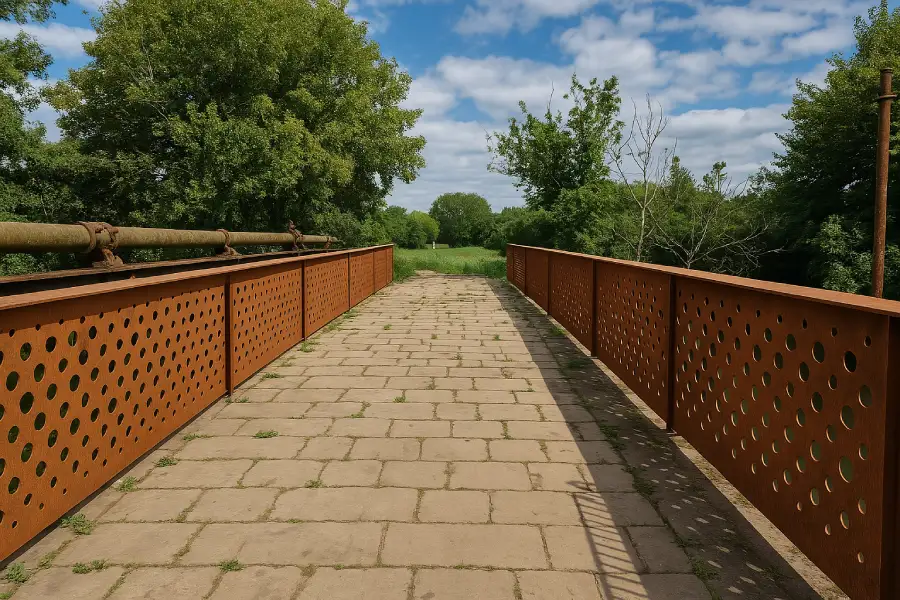
For example, there's a bridge built by the Strutt family in Belper. It has no bearing on our current project there, but the client wanted to open it up as a footpath. It is open to one side and it's listed.
We were tasked with finding a solution which satisfied the conservation officer and which allowed people to cross in safety. We used AI to mock up various changes and it was incredibly quick - I think we produced six presentations in an afternoon. It would have taken days without AI.
You still get builders and developers who cause long-term damage when they restore old, non-cavity wall properties. They think it’s fine to knock lime plaster off an old wall and dot-and-dab plasterboard straight on, and cover stone-flagged floors with concrete, but they are taking away the building’s chance to breathe. Some of their ‘renovation’ methods mean moisture has nowhere to go but up the walls. The job may look wonderful when it’s just been completed, but the building is going to suffer in the future.
Thankfully though, there is now a growing understanding in the construction sector of how old buildings were made, and why - what methods and materials were used and how they work.
These old methods make perfect sense - and they teach us how to do things when we re-work old buildings. Creating breathable floors, for instance. Breathable insulation made from glass fibre can be put beneath stone flags set on earth. Walls need to be pointed and finished with lime-based mortar, plaster or render so the whole building can breathe and moisture circulates naturally.
The main hurdle is educating people in the industry, or home-owners doing a renovation themselves, to respect old methods and principles and learn how to use them for the long-term benefit of our old properties.
Being at the forefront of that understanding is very important to our practice. Our technician Scott is currently on a postgraduate course in this arena and is already bringing these skills into our work.
Our employee John is a structural engineer retraining as an architect on a two-year release course with Cambridge University. He's just finished his first year, and is bringing new knowledge and developing skills to the team.
I've been with Gravitate for a number of years - we have grown and changed in that time and so has Gravitate.
Its team has always been very patient with me - I'm not knowingly ever on time with receipts or responding to email requests and questions! When you’re hands-on, running a business with a small team, you always think there’s something much more important to do. It’s a good company to have as an accountant.
I’ve already touched on Gravitate’s patience, but other key attributes are their overall understanding of what it takes to keep a small business going and the fact that they have many other contacts we can call on if required.
I would say the Gravitate people are much more than accountants; they are strongly motivated by a willingness to advise and not just be simple ‘number crunchers’.
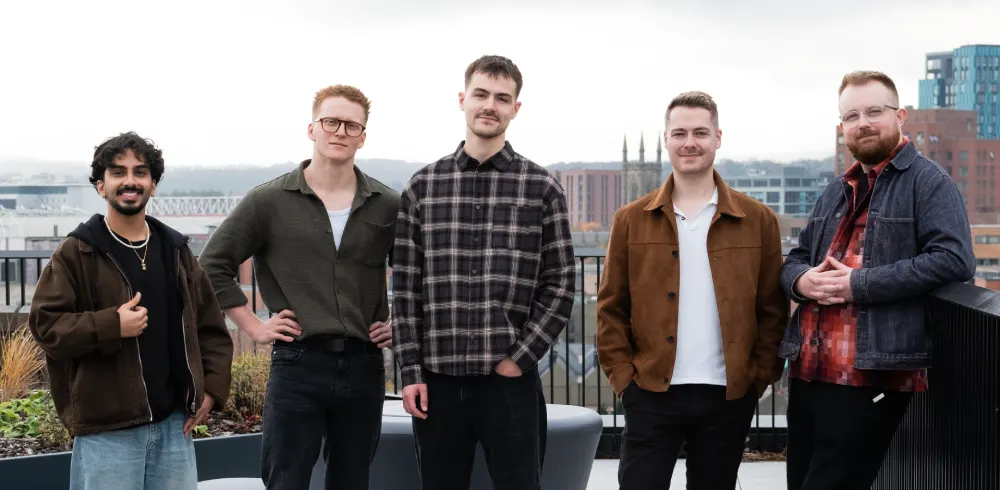
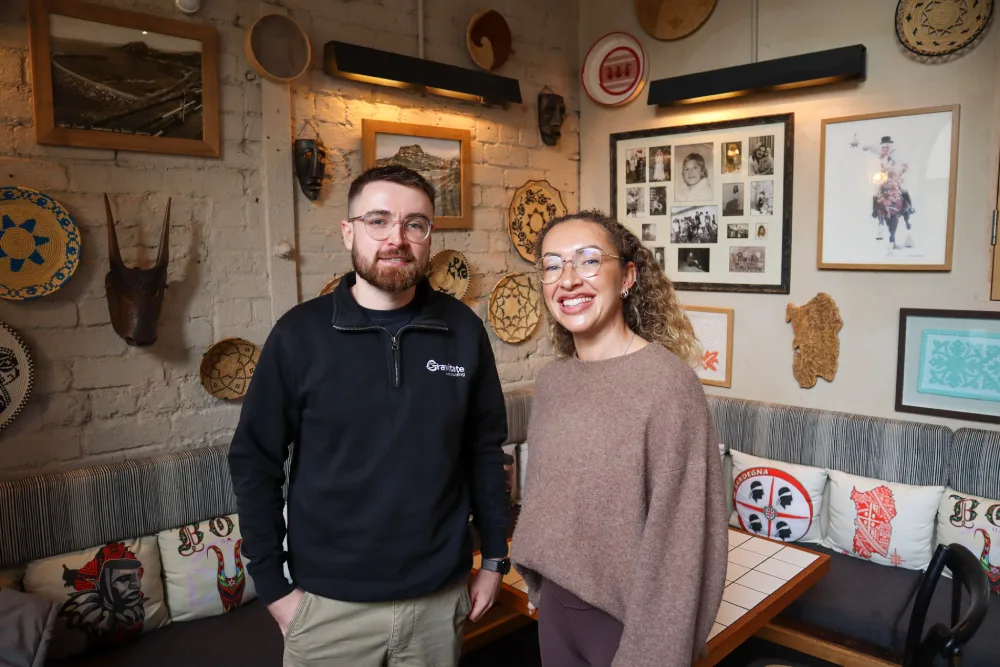
We love working with Alistair and the Haxton Koyander team. Charlotte Turner, Adam Betts and the wider Gravitate team work in close partnership with clients to help them know their numbers and boost financial resilience.


We provide dedicated quarterly reviews to analyse your performance, track key financial metrics, and refine your business strategy, ensuring you stay aligned with your long-term goals.

We transform your year-end data into clear Annual Accounts that provide a precise snapshot of your financial health while meeting all statutory filing requirements.

We take the hassle out of VAT by managing your calculations and submissions seamlessly, ensuring complete accuracy, full compliance, and timely filing with HMRC every quarter.

We handle your Self Assessment tax returns efficiently, helping you improve your personal tax position through personally tailored strategies.




Unit 13E
92 Burton Road
Neepsend
Sheffield
S3 8BX
United Kingdom



.webp)
.png)





.svg)