
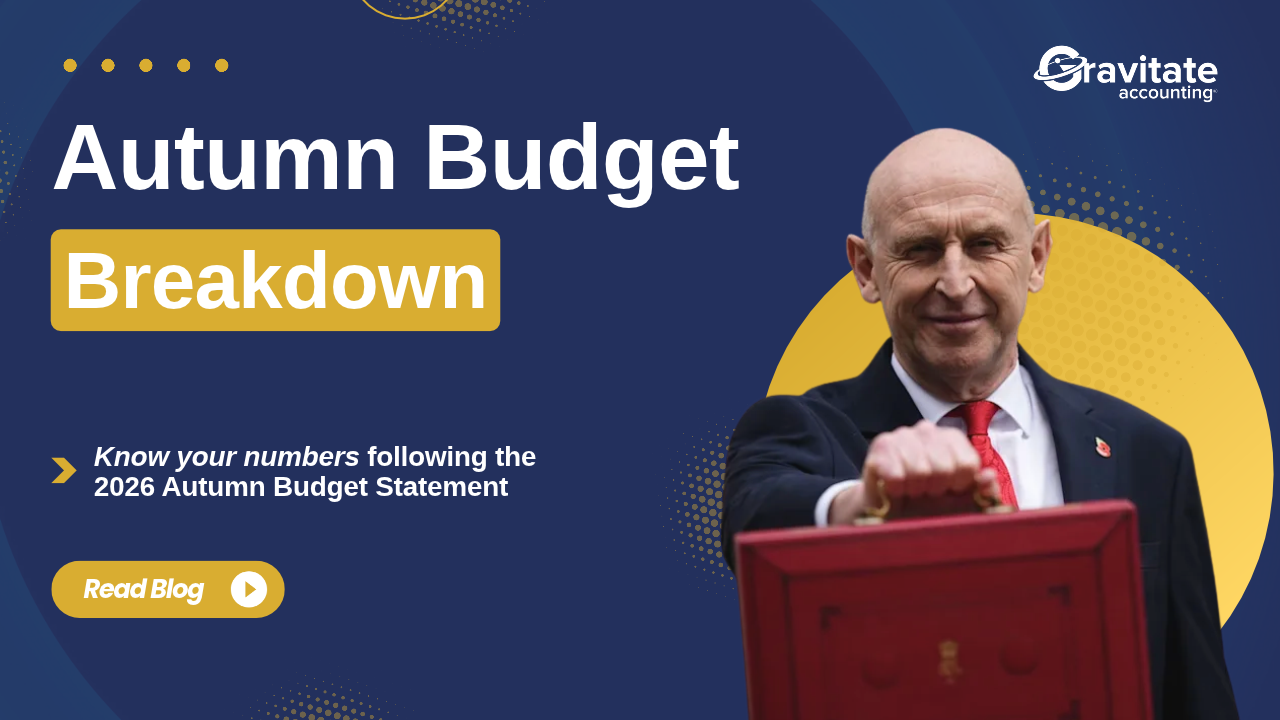
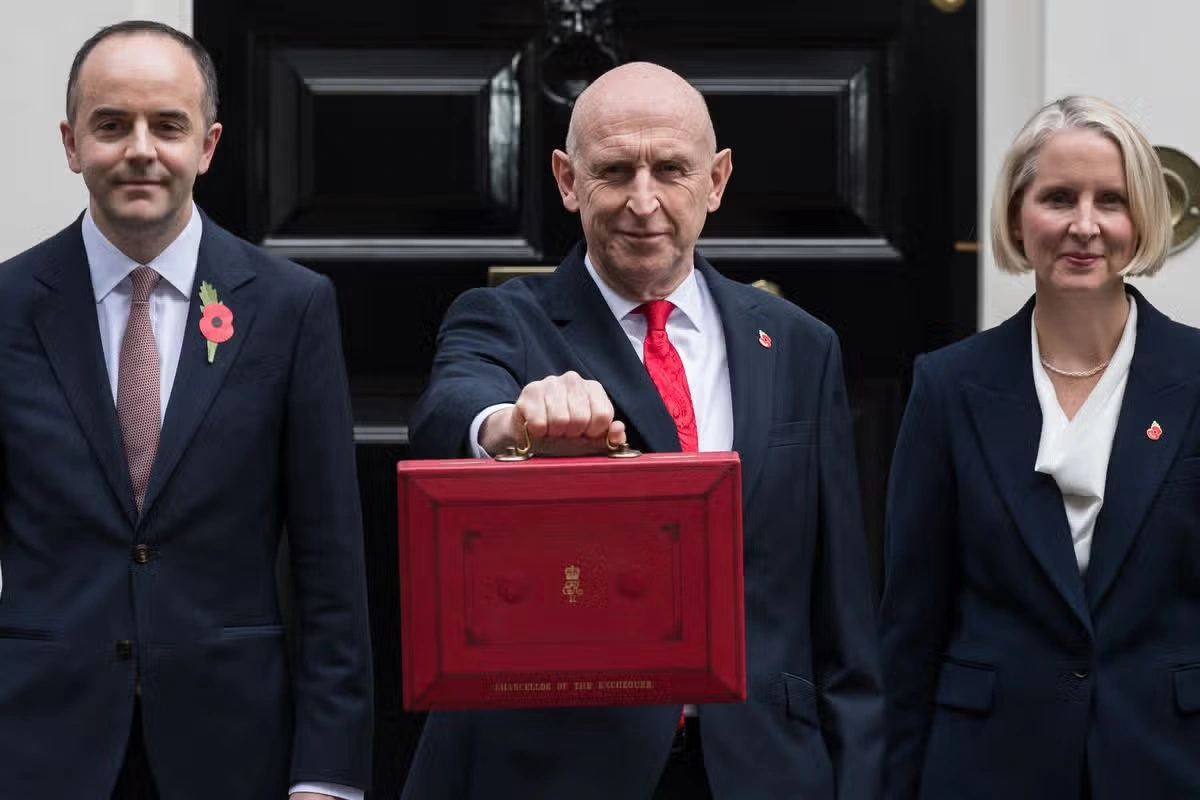
The chancellor, John Healey, has delivered the 2026 Autumn Budget. It included wide-ranging changes that will affect people of every age and from all walks of life.
Healey upheld many of Rachel Reeves’ commitments, including a pledge not to increase taxes on “working people” and a commitment to meeting the Labour Party’s self-imposed fiscal rules.
He also introduced a wide range of new measures, while rowing back on a key policy introduced by the former chancellor: the proposed reduction in the annual Cash ISA (Individual Savings Account) contribution limit from £20,000 to £12,000.
In this update, you’ll learn more about the key announcements that will affect both household and business finances.
For owner-managed businesses
Many of Reeves’ tax measures are being upheld
Healey said that Labour was keeping its promise not to increase taxes on working people.
In keeping with the Labour Party manifesto, Healey announced no further increases to the main rates of tax for individuals and businesses.
The taxes staying at their current rates for 2027/28 are:
- Dividend Tax
- Inheritance Tax (IHT)
- Capital Gains Tax (CGT)
- National Insurance
- The standard rate of VAT
- Corporation Tax (except for banks)
- Income Tax (with the exception of some savers and landlords)
In addition, existing “stealth taxes” – where tax-efficient thresholds are frozen instead of rising year-on-year – remain in place until 2031:
- The Personal Allowance of £12,570
- Income Tax Thresholds
- The IHT nil-rate bands
The previously announced inclusion of most unused pension funds and pension death benefits within the scope of IHT will proceed from 6 April 2027.
Important changes for those starting, growing, and selling their businesses
The chancellor placed a heavy focus on business owners in the Budget.
New business owners and newly self-employed people
- A new Young Entrepreneurs Allowance pilot in England will provide successful applicants with support towards their living costs during their first year in business.
- The existing Trading Allowance will increase from £1,000 to £3,000 from 6 April 2027, allowing individuals to receive up to £3,000 a year in qualifying trading and miscellaneous income tax-free. The separate Property Allowance is unchanged at £1,000.
- The British Business Bank will double its investment commitments to women-led businesses and funds to £200 million.
Those growing their business
- From April 2029, the timing of Self Assessment payments on account will change. Taxpayers will make smaller, more regular payments, bringing more of their tax bill into the year the income is earned. This fits with the move to quarterly reporting under Making Tax Digital for Income Tax, but for many sole traders and landlords it will mean paying tax earlier than they do now, so it is worth planning for the cash-flow impact.
- Also from April 2029, eligible self-employed fathers and partners in Great Britain will receive two weeks’ parental pay, currently worth up to £194 a week.
- The government will reform how payments from companies to individual shareholders are taxed, reducing opportunities to extract profits at more favourable tax rates.
- The main-rate first-year capital allowance will increase from 40% to 50% for qualifying expenditure from 1 January 2027. However, the main-pool writing-down allowance will reduce from 14% to 12% from 1 April 2027 for Corporation Tax and 6 April 2027 for Income Tax.
- From April 2027, qualifying retail, hospitality, and leisure properties in England with a rateable value of up to £18,000 will qualify for full Small Business Rates Relief, up from £12,000. Tapered relief will extend to £21,000, up from £15,000.
- From April 2027, business rates relief for eligible pubs, social clubs and live music venues will increase from 15% to 35%.
- Retail, hospitality and leisure businesses will also benefit from a two-year real-terms freeze on their business rates bills.
Separately, the government plans to reform non-compete clauses to make it easier for businesses to recruit and for employees to move jobs.

Business Asset Disposal Relief lifetime limit cut to £500,000
The BADR rate will remain at 18%. The change is to the lifetime limit on gains qualifying for the relief, which will fall from £1 million to £500,000 from 6 April 2027. The Budget document says three in four BADR claimants will still receive relief on their entire gain.
Special provisions will apply to certain contracts and share reorganisations that span 6 April 2027, so bringing a sale forward to beat the change is not as straightforward as it may sound. Please take advice before accelerating any transaction.
A new Founders’ Relief for high-growth companies
The chancellor announced a new Founders’ Relief, offering a 10% CGT rate on qualifying share disposals, subject to a £10 million lifetime limit. It is intended to start from 6 April 2027.
The relief will target founders and significant early investors in high-growth, innovative UK companies. The detailed eligibility rules are still being consulted on, and the consultation runs until 30 November 2026, so the design may change.
Founders’ Relief is aimed at a specific group of business owners, and the proposed conditions set out in the government’s technical consultation are demanding. Under the current proposals, the individual must:
- have held at least 25% of the company’s ordinary share capital (with the matching voting rights and rights to profits and assets) when the company started its trade, or started preparing for it
- have held the shares for at least five years before selling them
- have been UK resident for at least five continuous tax years before the sale.
The 25% test can be met through the holding company of a trading group. Once an individual qualifies, the relief applies to all of their shares in the company, not just their original holding. Only individuals can claim.
Under the proposals, the company must:
- be within the scope of UK Corporation Tax, with a substantial UK presence for the five accounting periods before the sale
- be a trading company, or the holding company of a trading group, without substantial non-trading activities or excluded activities such as dealing in land, financial services, or property development
- still carry on the trade it was set up for, with no major change in its nature
- have turnover of at least £10 million in the accounting period before the sale
- have at least 15 qualifying full-time employees in that period (working at least 35 hours a week and paid at least the National Minimum Wage). Directors, contractors, and agency workers do not count.
The company would also need to pass at least two of these three growth and innovation tests:
- Turnover test: average growth in turnover of 25% a year over three consecutive accounting periods within the ten years before the sale, starting from turnover of at least £10 million.
- Headcount test: average growth of 25% a year in qualifying full-time employees over three consecutive accounting periods within the ten years before the sale, starting from at least 15 full-time employees.
- Innovation test: at least £1.5 million of qualifying research and development (R&D) expenditure, with R&D tax relief claimed for accounting periods ending within the three years before the sale.
The £10 million lifetime limit would be reduced by any BADR or Investors’ Relief claimed from 6 April 2027. Claims would be made through the individual’s Self Assessment return, and the government plans to give claimants a legal right to request the information they need from the company. These are proposed conditions rather than final rules, so the detail may still change.
In practice, these proposed thresholds mean Founders’ Relief is aimed at larger, fast-growing companies. Most owner-managed businesses will continue to rely on BADR when they sell, so it is worth planning around the new £500,000 limit now.
More generous employee share schemes: EMI and EMI2
The Company Share Option Plan (CSOP) has been renamed Enterprise Management Incentives 2 (EMI2) from 28 October 2026, although it keeps the CSOP name in legislation. EMI and EMI2 are both tax-advantaged share schemes that allow companies to give employees the option to buy shares in the future at a price agreed when the option is granted.
From 6 April 2027:
- the EMI2 individual limit will double from £60,000 to £120,000
- EMI2 options will no longer count towards an employee’s £250,000 EMI limit, so the two schemes can operate independently
- the period for exercising EMI2 options while keeping the tax advantages will increase from 10 years to 15 years
- the EMI exercise window following a disqualifying event will double from 90 days to 180 days
- the EMI exception for Employee Ownership Trusts (EOTs) will extend to companies arranging to become controlled by an EOT
- companies will no longer need to send HMRC a separate notification for each new EMI grant. Grants will be reported through the end-of-year return instead.
Together, from April 2027, an eligible employee could hold qualifying options over shares worth up to £370,000, measured at the date of grant: £250,000 under EMI and a further £120,000 under EMI2, subject to the relevant scheme limits and conditions. This is the value of the shares under option, not a tax-free gain. For growing businesses where a key employee has already reached the EMI limit, EMI2 is worth considering before moving to unapproved options, where gains can be subject to Income Tax and National Insurance rather than Capital Gains Tax.
An increase to the National Minimum Wage and National Living Wage
As with the State Pension, the National Minimum Wage and National Living Wage will rise by 3.9% next April.
A higher tax-free mileage rate for business travel
The tax-free rate for the first 10,000 qualifying business miles in an employee’s or self-employed person’s own car or van will remain at 55p a mile, the rate that has applied from 6 April 2026. From 6 April 2027, the rate for business mileage above 10,000 miles will rise from 25p to 35p a mile.
This is welcome news for businesses whose staff travel regularly for work, as it means those covering significant mileage can be reimbursed at a more realistic rate without a tax charge.
HMRC will receive “new powers” to claim tax from those who do not pay
The chancellor announced measures to close tax loopholes and recover unpaid tax.
These include reforms to how company payments to individual shareholders are taxed, reducing opportunities to extract profits at more favourable tax rates. From April 2029, the timing of Self Assessment payments on account will also change, bringing more tax into the year the income is earned.
From July 2029, HMRC will gain powers to recover lower-value tax debts through regular instalments directly from the bank accounts of individuals and companies who can afford to pay but repeatedly fail to do so. Safeguards will be developed before the powers are introduced.
For individuals, landlords, savers, and pensioners
Healey announced further Income Tax increases for landlords and savers
Income Tax will rise by a further two percentage points for taxable property income for landlords in England, Wales, and Northern Ireland.
The same increase will potentially apply to savings interest outside of an ISA that surpasses an individual’s Personal Savings Allowance (PSA), which stands at:
- Basic-rate taxpayers: £1,000
- Higher-rate taxpayers: £500
- Additional-rate taxpayers: £0
The Income Tax rate was already set to go up by two percentage points in April 2027 for those who meet the criteria, so this reform brings the total increase to four percentage points.
The ordinary rates for Income Tax in England, Wales, and Northern Ireland are:
- Basic rate: 20%
- Higher rate: 40%
- Additional rate: 45%
From 6 April 2027, for taxable property income and on qualifying savings interest, the rates will stand at:
- Basic rate: 24%
- Higher rate: 44%
- Additional rate: 49%
The Budget document states that 84% of Income Tax payers will be unaffected by the property and savings income changes in 2027/28.
New ISA announcements including a reversal of the Cash ISA limit reduction
A raft of changes and proposals were announced regarding ISAs:
- The decision to cut the amount under-65s could save into Cash ISAs from £20,000 to £12,000 has been reversed.
- A new First-Time Buyer ISA will replace the Lifetime ISA (LISA) from April 2029 for new savers and will allow contributions of up to £4,000 per year with a 25% government bonus. The Budget document says: “The bonus will be paid on the value of the account balance when funds are withdrawn for a qualifying first home purchase, up to the value of £450,000, so avoiding the need for any withdrawal charge. The new product will have no upper age restriction.”
- Savers who already have a LISA will be able to continue contributing to it.
- Healey also pledged to deal with the so-called LISA penalty, reducing the withdrawal charge from 25% to 20% for first home purchases above £450,000 that meet the other qualifying rules. This removes the penalty on savers’ original contributions. Other unauthorised withdrawals will retain the 25% charge.
- The government will investigate introducing a new ISA to reward first-time investors.
The chancellor reaffirmed previously announced State Pension changes
The triple lock will be reformed from 2030
Honouring a manifesto promise, the chancellor confirmed that the triple lock will remain for the duration of this parliament.
As previously announced at the Labour Party Conference, it will, however, be adjusted from April 2030, when the State Pension will rise by the highest of inflation (as measured by the Consumer Prices Index), 2.5%, or the amount needed to maintain its value relative to earnings. This means it will track earnings growth over time.
The changes are projected to save £15 billion a year by the end of the 2030s, and £50 billion a year by 2050 with the savings used to fund the National Care Service in England, announced by the prime minister in September.
A new Pension Tax Allowance will protect pensioners as the full State Pension rises above £13,000
The full new State Pension will rise by 3.9% in April 2027 to £13,036.40 a year.
This takes the full new State Pension above the Income Tax Personal Allowance of £12,570 for the first time. Previously, the government said that pensioners whose total income is no higher than the full new State Pension would not pay Income Tax, and the chancellor has upheld this promise.
To deliver this, the government will introduce the Pension Tax Allowance (PTA) from 6 April 2027 until April 2030, when further arrangements will be considered. The PTA is a reduction in the tax payable, not an increase in the £12,570 Personal Allowance. It is worth up to £94 a year and applies automatically. It reduces by £1 for every £3 of income above the full new State Pension, disappearing at total income of around £13,319 in 2027/28.
For homeowners and households
More help for first-time buyers
With many aspiring homeowners struggling to get on the property ladder, Healey announced the Your First Home scheme for eligible first-time buyers purchasing qualifying new-build homes in England.
The scheme will offer a government equity loan worth 20% of the purchase price, with buyers needing a deposit of at least 2.5%. The loan will be interest-free for five years. Household income limits and local property price caps will apply.
Applications are expected to open in February 2027, with the first purchases taking place from April 2027.
Healey announced further support with household energy bills
Continuing his focus on giving families “breathing room”, the chancellor announced several measures to help households with their energy costs.
VAT reduction on energy costs
The temporary reduction in VAT on domestic electricity from 5% to 0% will be extended for three months, until 1 July 2027. The government expects this extension to take around £50 off the annual Ofgem price cap from April 2027.
Household Energy Payments
Households in council tax bands A to D in England will also receive a £100 Household Energy Payment from January 2027. Delivered through local authorities, the payment is expected to support up to 20 million households.
The devolved governments will receive funding to enable them to provide similar support.
Removing the standing charges on gas bills
Healey also announced plans to remove gas standing charges from domestic bills in Great Britain, aiming for delivery by the end of 2027 or as soon as possible afterwards.
Gas standing charges currently average £108 a year. However, these costs will move into gas unit rates, so removing the standing charge will not mean every household saves £108. The impact will depend on gas consumption, with targeted support planned for households adversely affected.
An extension to the fuel duty cut
The 5p cut and freeze on fuel duty will be extended until 1 July 2027.
The government also committed to:
- Reforming electricity standing charges, with details due in 2027
- Scrapping the planned Gas Shipper Obligation, which would have added costs to gas bills to fund hydrogen projects. These projects will instead receive government funding.
Additional Budget measures that could affect you, your family, and your business
- An end to the Carer’s Allowance “cliff edge”. From 2030/31, the government plans to introduce a taper in England and Wales, so unpaid carers will no longer lose their entire Carer’s Allowance simply for earning a penny over the Weekly Earnings Limit.
- The removal of import tariffs on household staples and farming goods. “Family favourites” including baked beans, chocolate, and gherkins will see import tariffs removed. This will extend to some fertiliser and kerosene heating oil, helping households and farmers facing high bills.
- Investment of up to £5 million a year (for three years from 2027/28) in children’s organisations, such as Dolly Parton’s Imagination Library, which gives books to children.
- The introduction of a Misogyny Prevention Fund to support the government’s ambition to halve violence against women and girls.
- Welfare reforms. These will include a huge number of changes, to be set out in a white paper in 2027.

The wider economy
A temporary increase to the tax surcharge on banks
The Bank Corporation Tax Surcharge will double from 3% to 6% for 15 months, from 1 January 2027 to 31 March 2028.
The government is investing in AI and has increased the defence budget
The government will provide an additional £10 billion of aid to Ukraine and expects to spend 3.5% of GDP on defence by 2035. It will also invest around £640 million in AI security and the Sovereign AI Unit, including new UK data centres.
GDP, national debt, and inflation
The UK economy was the joint fastest-growing in the G7 in the first half of 2026, and the OBR expects growth of between 1% and 1.8% a year up to 2031. Higher interest rates mean the government will spend around £14 billion a year more on debt interest than forecast in March, but Healey said existing headroom means taxes will not rise for working people.
Devolution will be a priority for this government
The Budget set out a roadmap to fiscal devolution, including a £285 million Good Growth Fund for local leaders in 2027/28 and, from April 2028, a £1.5 billion borrowing facility for Mayoral Strategic Authorities in England to support local growth projects.
This summary is tailored for SMEs and their owners. For a full list of announcements, you can find the full government summary here
The content of this Autumn Budget summary is intended for general information purposes only. The content should not be relied upon in its entirety and shall not be deemed to be or constitute advice.
While we believe this interpretation to be correct, it cannot be guaranteed, and we cannot accept any responsibility for any action taken or refrained from being taken as a result of the information contained within this summary. Please obtain professional advice before entering into or altering any new arrangement.