

.png)
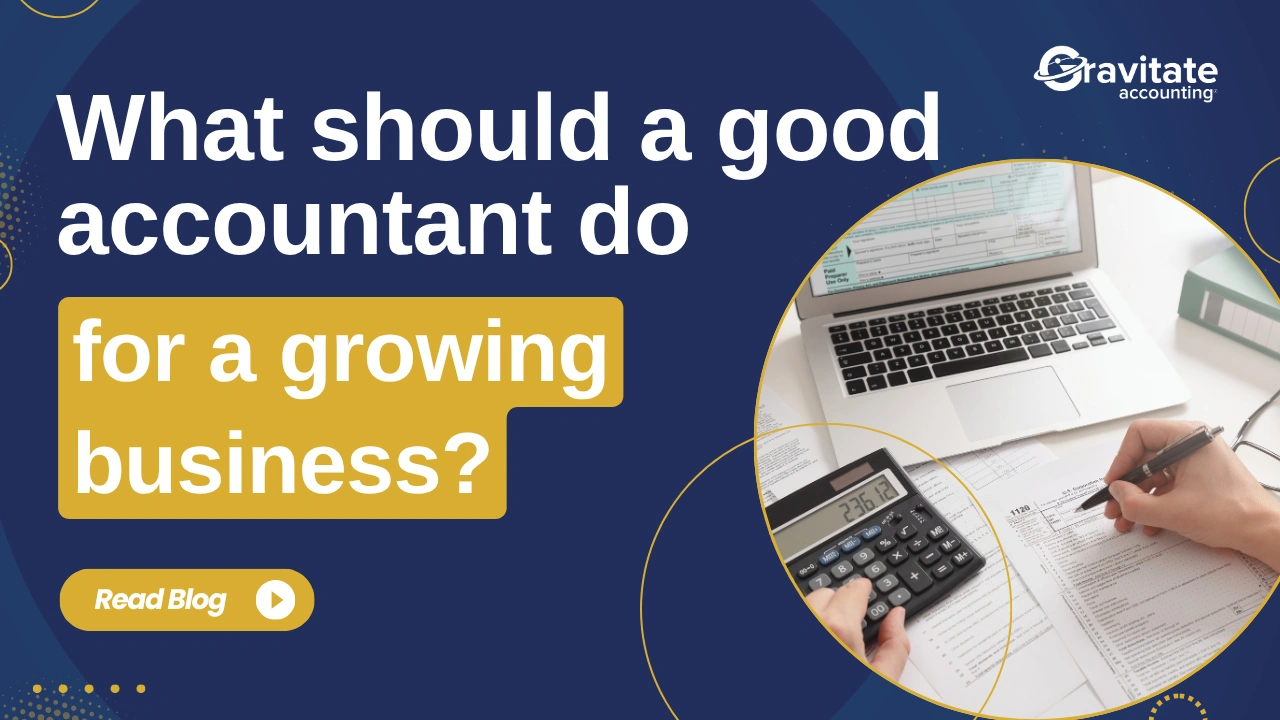
Most business owners think of their accountant as the person who sorts out the annual paperwork and keeps HMRC at bay. But if you’re a modern business looking to grow and build long-term resilience, your business needs proactive planning and year-round financial diligence.
We designed a 12-month accounting guide that maps a key financial task to each month of a business’s financial year, regardless of when it starts. The information that follows briefly summarises the content of our guide and explains exactly how it aligns with what a good accountant should do for a growing business.
You can download the full, detailed guide from our Knowledge Hub
Build a director remuneration plan
Paying yourself as a business owner can be complicated. A good accountant should help you build a proper director remuneration plan that includes salary, bonuses, benefits, pension contributions, and dividends combined in a tax-efficient, sustainable way. This means that:
- You will have a more predictable income that supports your life outside of work.
- You can estimate the tax due based on remuneration, including dividends.
- You can keep business and personal finances separate.
- You have formal contracts in place, even for sole directors or family employees.
Review performance against budget
Every business should set budgets and targets. After month 1, a proactive accountant can help you review your company's performance against the budget you set at the start of each financial year. They can even provide a side-by-side report showing your actuals versus your budget.
Then, you can investigate and document any significant variances to understand why they occurred: were they timing-related, caused by unexpected cost increases, or due to a change in customer behaviour? This context improves clarity, helps you make sense of patterns, and allows you to make adjustments where needed.
Review banking and finance agreements
Your accountant should review your banking and financing agreements to help ensure your business operates efficiently and cost-effectively. Regular reviews can help you comply with loan covenants, build better relationships with lenders, and avoid unnecessary fees.
A review includes:
- Confirming your current banking arrangements
- Looking at loan and finance agreements
- Evaluating interest rates and fees
- Checking covenants and obligations
- Assessing future financing needs
- Checking covenants and obligations
- Assessing future financing needs
- Updating documentation and contacts
Make sure you’re on the right VAT scheme
VAT schemes offer simplified or more appropriate ways for small businesses in the UK to calculate and pay Value Added Tax (VAT) to HMRC, rather than using the standard method.
The VAT scheme that worked when your business launched isn’t guaranteed to remain right for you as you grow. To support successful and sustainable growth, your accountant should:
- Confirm you're still on the most suitable scheme you're eligible for
- Sense-check VAT codes on sales and purchases for consistency
- Flag anything unusual compared to previous periods
Help you stay on top of debtors and creditors
Assessing your outstanding invoices and overdue payments helps ensure your cash flow remains healthy and enables you to spot issues before they become problems. Good ongoing support that an accountant can offer your business includes:
- Negotiating early payment discounts where possible
- Advising on chasing overdue invoices
- Grouping your debtors into categories based on reliability and adjusting your follow-up strategy accordingly
- Using insights from your debtor and creditor reviews to update your cash flow forecast
Assess whether they could be doing more for you
This is particularly important because it involves assessing your current accounting support and asking yourself, “Can my accountant do more?”
A proactive accountant should be offering, or at least raising, services like:
- Outsourced bookkeeping, payroll, and invoicing to free up your time
- Outsourced FD support for strategic decision-making
- Regular management accounts, not just an annual set of figures
- Pre year-end tax planning, rather than a scramble in the final weeks
Review your Chart of Accounts
As your business grows and changes over time, reviewing your Chart of Accounts (COA) ensures your finance function can keep up with it.
Your chart of accounts is a complete list of every financial account that is used by your business, usually organised into appropriate categories.
A clear and well-maintained COA is key to accurate financial reporting, saving you time and improving decision-making. A good accountant should assist you by reviewing and optimising your COA. They can then offer essential insights, recommend best practices, and suggest important changes without disrupting current processes.
Help you stay ahead of Corporation Tax Deadlines
Corporation Tax is usually payable nine months and one day after your year-end, with the return due three months later. However, waiting until the deadline is just around the corner may be too late to deal with it properly.
Proper support involves:
- Confirming your Corporation Tax liability and due date well in advance
- Making sure funds are set aside so payment doesn't cause a cash flow stock
- Reviewing your tax computation together, including reliefs and capital allowances
Remember, each Corporation Tax return and payment is an opportunity to plan and improve how you deal with next year’s tax.
Plan your general tax position before year-end
If good tax planning is a priority, it needs to happen well in advance of return submission deadlines, not at the last minute, and it should cover:
- Reviewing profitability to date and what it means for your tax liability
- Looking at whether any planned expenses can be brought forward to reduce your taxable profit
- Reviewing the salary-versus-dividend split for tax efficiency
- Exploring R&D relief, pension contributions, and other available reliefs
Submitting and paying your taxes on time is essential, but several opportunities may be missed without the genuinely proactive approach we believe an accountant should take.
Agree pay rises and employment contracts for the next year
Your people are key to your business’s success, so reviewing pay and contracts helps you stay compliant with employment law while remaining competitive as an employer.
To get this right, a good accountant will help you:
- Benchmark salaries against the market and factor in inflation
- Working alongside your HR or employment adviser to plan pay rises against what the business can actually afford
- Keep employment contracts current and compliant
- Think through non-cash benefits like pensions and flexible working
Finalise your budget for the next financial year
A clear and realistic budget is key to determining the direction the company will take in the year ahead. Finalising your budget in advance helps you make decisions with confidence, measure progress, and plan resources more effectively.
Your budget should:
- Be based on a proper review of actual performance to date
- Reflect realistic, evidence-based assumptions about growth, pricing, and costs
- Involve input from team leads, not just finance
- Include a cash flow forecast and profit projections, not just income and expenditure
Improve your Companies House accounts at year-end
Once filed at Companies House, your accounts are public. A good accountant should treat them as more than a compliance exercise:
- Making sure receivables are chased and the balance sheet looks healthy
- Ensuring the balance sheet is accurate and up to date
- Reviewing director loans and dividends so everything is properly documented
- Pushing to file early rather than leaving it to the last possible moment
The Bottom Line
For a business looking to grow and succeed, having an accountant who only shows up once a year to file your accounts may not be enough and could mean you’re missing out on a huge amount of valuable advice and support.
A good, proactive accountant should work closely with you as a partner throughout the year. They should review performance, plan taxes, manage cash, and help with people-related decisions.
Proactive support isn’t just a nice-to-have anymore. It distinguishes a business that is merely surviving from one that understands its numbers and grows stronger as a result.
For more insight into how you can help your business grow, get in touch; we’d be happy to help. Or for more information, you can download our “12 Months of Smarter Accounting” guide.














.webp)
.png)


.svg)
