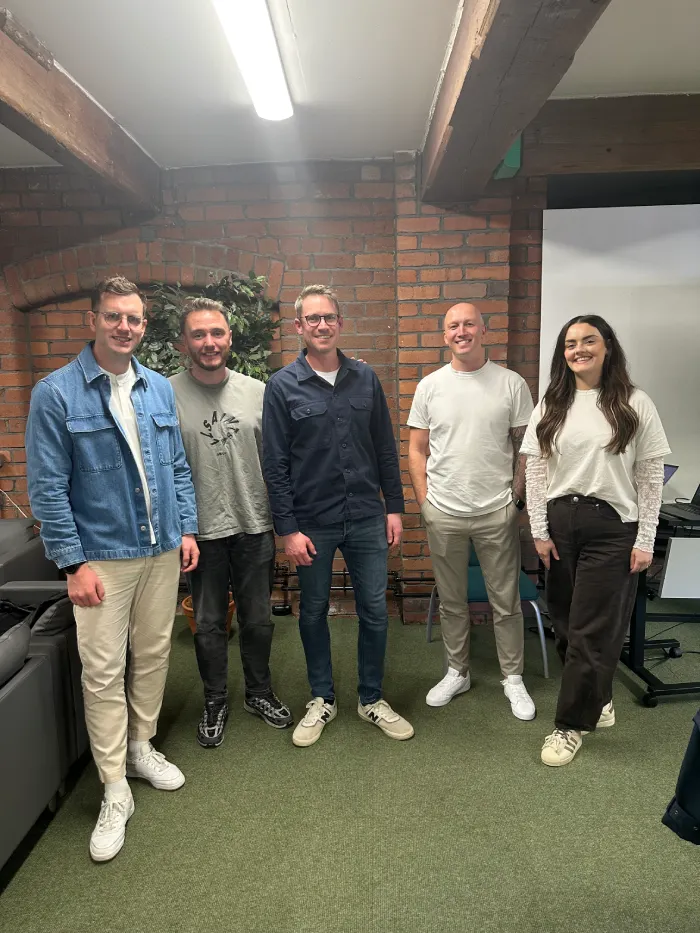
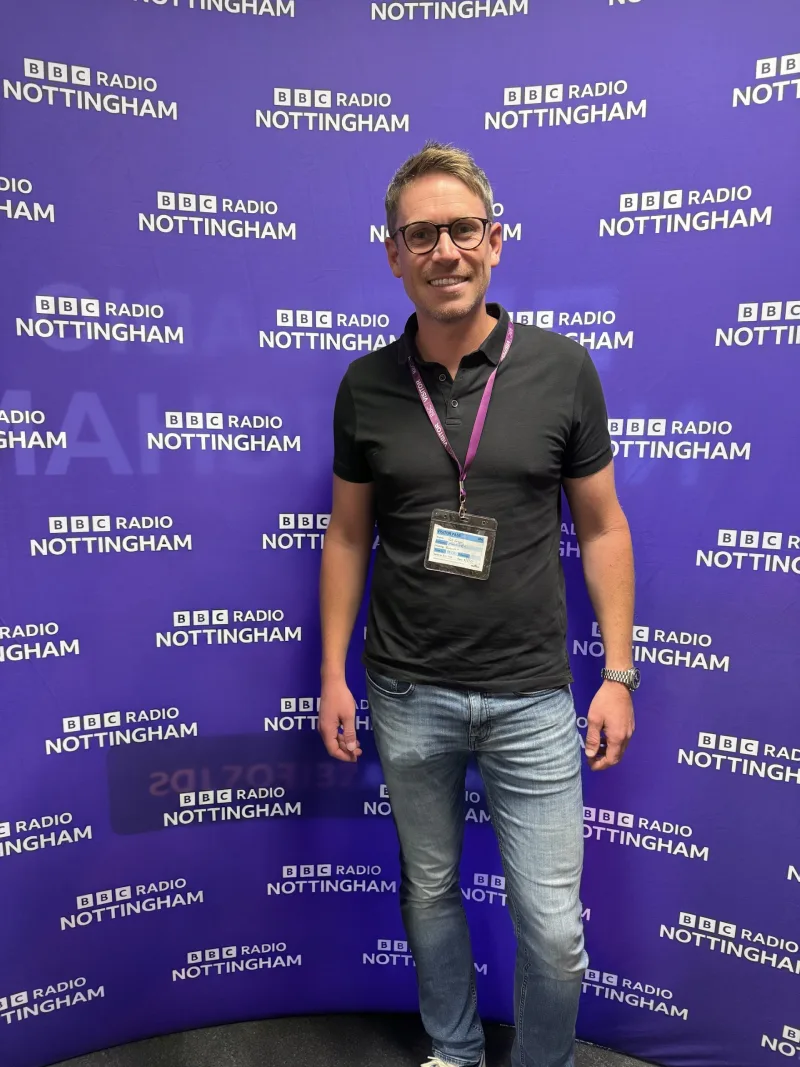
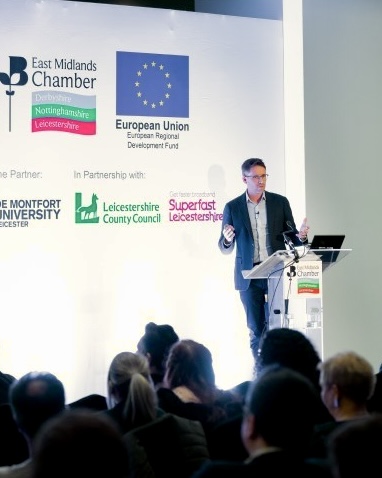
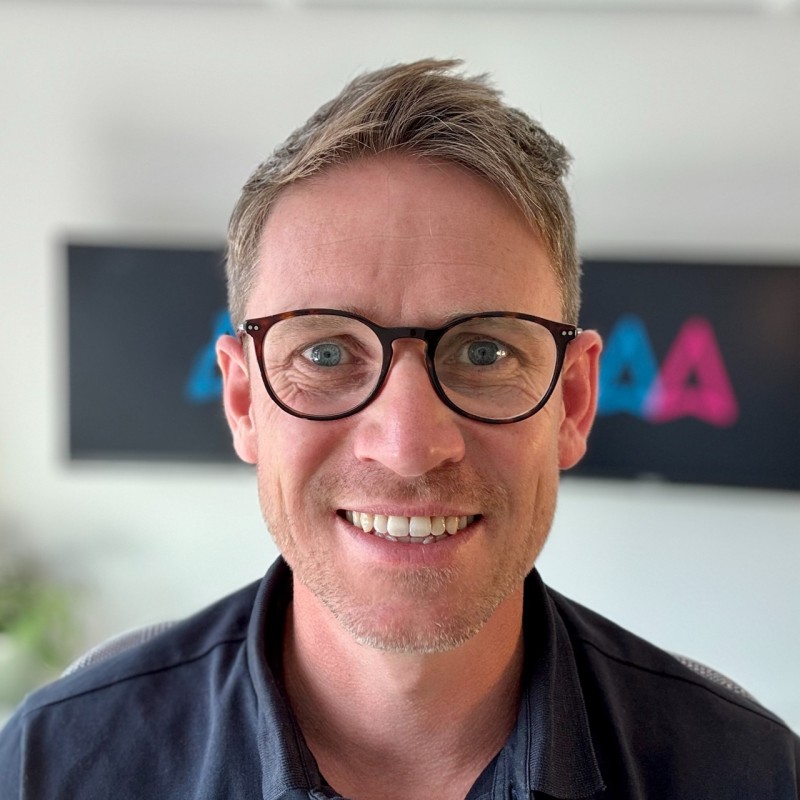
I'm Rob Gregory, and I run a small tech consultancy called Magnifica, which has been around since 2013. Magnifica today is very much a technology and training consultancy, primarily in the AI space, for obvious reasons, because of what's been happening over the past three, four, five years.

I've always been into tech stuff. I built my first website aged 14, before Google was invented, so I've been playing around with HTML, PHP, and all of that since the beginning.
After university, I spent a number of years in software development contracting roles, working for a couple of pharma companies. I did a long contract working for Dyson, which was pretty cool. Then I moved into the agency world, where I ran a startup that didn't go anywhere, but through that process I ended up working for a web agency in Sheffield. I was there for a while as their projects director, running all their web and software development projects.
Whilst I was there, I decided that I wanted to do something myself. So after a while, I left and set up Magnifica. As a technical person doing development work and consultancy with clients, I decided it was time to do it myself.
I set out with the express goal of building a business that was for me, not for anyone else. I never planned to grow the business in terms of headcount. I guess you could call it a lifestyle business. The previous head of development at that web agency also left not long after and joined me.
For a couple of years we worked together. That didn't work out, so we shook hands one day… actually, the day that my twin daughters were born, weirdly. It was an intense morning! But interestingly, we still work on loads of projects together, just with our separate limited companies.
I've had Magnifica since 2013. My background is in software development, so I'm technical and still some of that, but I also handle all the wraparound stuff too, because unlike many developers I have those personal and communication skills.
I built a consultancy around that, delivering software, web development and integration services for anything from an SME through to larger enterprises. I've done stuff with BAE Systems in the defence world and many other sectors besides. That's what the business did up until about two and a half years ago, when things started to change.
I've been using AI for about seven years. In some of the stuff I'd been building (I primarily work in the Microsoft stack, as we call it), a lot of their Azure services were starting to have AI things appear in them. Quite standard stuff: text-to-speech and OCR, etc.
It actually started on Twitter in 2020. I was having a bit of a laugh in a Twitter thread, and I said, "I might build an AI tool for people to create elf messages at Christmas for their kids." Someone just replied, saying, "You should do it." Two and a half hours later, I launched ElfMessages.com. It was one of those quick little joke products I launched online. It's still there, the same thing I built it in those two and a half hours; every Christmas it still makes me money, which is pretty funny.
So I've been aware of AI, and using it, for all that time. And then ChatGPT launched, and I think at that moment I went, "Okay, that's cool. What does this mean?" I sat with it and carried on business as usual, doing my day job.
About two and a half years ago, I had a bit of a wobble. I sat there and realised software developers wouldn't be needed as much.
In their infinite wisdom, the large AI labs decided to completely cannibalise their own industry first by creating AI that can replace a software developer.
I started noticing this, and I was playing around with all the various tools you could use. At that stage, it was basically using a prompt to write some code, then copying and pasting that out and going back to your software development tool to work on it there. I knew it was helping me, but I also knew it would be better than me at some point.
I also started to see, probably about 18 months ago, a bit of a drop-off in customers coming back to me for repeat work, fixes or changes. On the slightly more hardcore software development side, things weren't really being touched yet. But it made me think, "What's this going to look like in the future?"
I thought, "Well, I need to change the trajectory of my business to match what's going on with AI."
At that point, I looked at myself and said, "Well, what are you good at? What have you done over the years that you could lean into?" So for the past 10 or 12 years, alongside the technical stuff, I have been delivering training. That was the hook.
I knew it was time to really upskill on AI and then start offering AI training and consultancy. I quickly started picking up new customers in that field. Existing customers also came to me for that kind of work.
Then about nine or ten months ago, I got a flurry of enquiries from larger corporate organisations wanting AI training, consultancy and implementation. So that's where we are today. That's what I deliver.
Even though I've got a technical background (I've been building software for 25 years; I understand the fundamentals of AI, what it is, what it can do), I felt like things were moving really quickly. How could I become an expert? That was a challenge for a while, because there was so much going on.
I decided to focus on two specific platforms: Anthropic and Microsoft Copilot. That was driven by the more corporate-level, larger clients coming to me, who weren't really going to want to use ChatGPT.
I focused on those, learnt everything I could, did various implementations around them, and then started marketing my services only around those two platforms.
It has worked. I'm really, really busy with really good clients. With larger clients, once you get a foot in the door, as long as you keep them happy, you get repeat work. I'm a small business; I don't need many customers.
I think the industry has a challenge with hype. There a lot of really good salespeople selling AI implementations and training, but they don't have the technical background that I do.
They've not done 25 years of screwing things up and understanding infrastructure and all of those things. Instead, it's just a yes game, and that obviously fails in the end.I like being able to answer a technical question, that I fully understand, to a non-technical audience in layman's terms. That's standing me in really good stead.
This goes back to the hype conversation. If you listen to the big voices, Sam Altman, Elon Musk and Dario Amodei, there’s been an absolute masterclass in marketing over the past five years. We’ve been told AI is the future of everything and has these incredible capabilities. But when businesses and individuals actually use it, there’s often still a gap between the promise and the reality.
I think that gap will shrink, and some of those expectations will be met. But I always say I’m equal parts AI evangelist, optimist and sceptic. Call me old-fashioned, but humans will still want to human.
I do think there's going to be a lot of disruption to come, and I also think there will be some kind of crash. But I think there's also going to be pushback and a bit of a reset, with individuals, human beings, teams and organisations saying no to AI in certain areas, which I think is a good thing .
Right now, AI also feels like it’s plateauing slightly. We can prompt, chat, modify documents and automate some workflows, but we keep being told AGI is around the corner without anyone really being able to quantify what that means.
There's a load of rich white men in Silicon Valley thinking that the world is theirs. But I think too many normal humans are just going to carry on with normal life.
I was introduced to Gravitate through a friend of mine, Ash Young, who you worked with for a bit longer than that, I think. This was around four or five years ago.
I was with a previous accountancy firm, and they were fine, but that's all I can say about them. They started off good, and it tailed off. I moved to Gravitate, and I was immediately impressed by the digital-first strapline.
I really like the fact that Gravitate charges for services every month. I think having a set number going out every month is, for a small business, a much better way of flattening that cost out through the year.
I think the communication is always good. I think the quarterly catch-ups are great. I'm a small business, so they usually only last 15 or 20 minutes, and they work really nicely: a little touchpoint.
I do have two limited companies that Gravitate manages the accounts for. I've also got a property limited company, which you helped me set up a share structure for, so my children could be shareholders in that. That's a nice bit of succession planning for down the line, and none of that was too difficult.
The answers I get from Gravitate are always good and ones I can act on With the best will in the world, if I don't hear from you and you don't hear from me, that means everyone's doing okay.
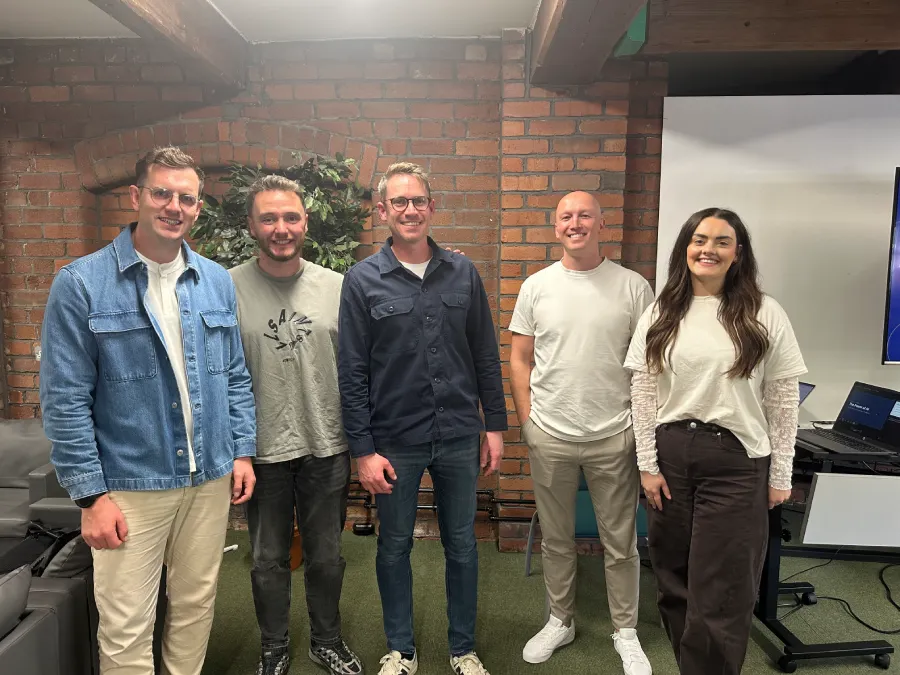
We love working with Rob and helping him know his numbers. Charlotte Turner and the wider Gravitate team work in close partnership with clients to help them know their numbers and boost financial resilience.

We provide dedicated quarterly reviews to analyse your performance, track key financial metrics, and refine your business strategy, ensuring you stay aligned with your long-term goals.

We transform your year-end data into clear Annual Accounts that provide a precise snapshot of your financial health while meeting all statutory filing requirements.

We work with businesses to structure their finances in the most efficient way, helping minimise tax liabilities, maintain compliance, and reinvest more effectively in growth.

We handle your Self Assessment tax returns efficiently, helping you improve your personal tax position through personally tailored strategies.
Gravitate Client Stories are shared with our clients' permission. Our clients describe their businesses and what they offer in their own words, and those views remain their own. We don't independently verify statements about their products and services. We act as their accountants and advisers, so we speak only for our own work rather than for what our clients provide.




Unit 13E
92 Burton Road
Neepsend
Sheffield
S3 8BX
United Kingdom